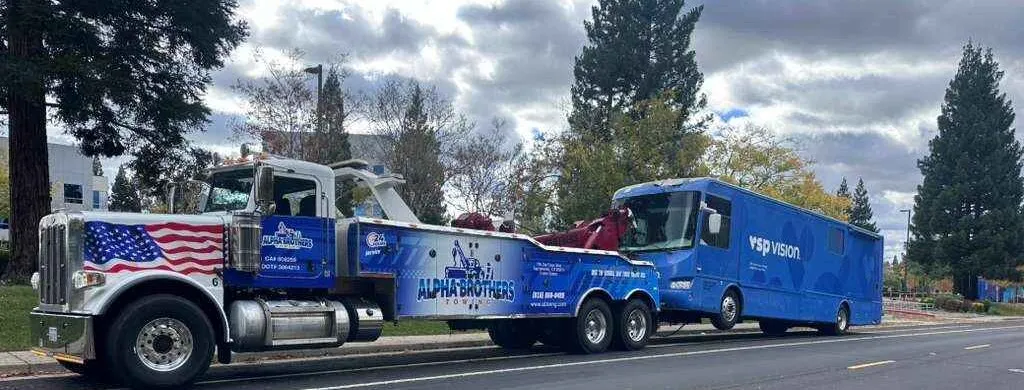
Choosing the wrong class of tow truck can damage your vehicle or leave you stranded longer. Here's the practical difference between heavy-duty and light-duty towing in Sacramento.
Most drivers never think about tow truck classes until they need one. But sending a light-duty wrecker to a loaded box truck on I-5, or a heavy rotator to a sedan in a Midtown alley, wastes time and money. Here's what actually separates heavy-duty from light-duty towing in the Sacramento area, and how to know which one you need before you call.
It comes down to GVWR
Tow trucks are rated by Gross Vehicle Weight Rating (GVWR), which is the maximum loaded weight a truck is built to safely move. Light-duty rigs handle vehicles up to roughly 10,000 pounds — passenger cars, small SUVs, half-ton pickups, and most crossovers. Medium-duty covers the 10,000 to 26,000 pound range, including box trucks, dually pickups, larger RVs, and small commercial vehicles. Heavy-duty starts at 26,000 pounds and goes up to 80,000+ pounds for fully loaded semis, dump trucks, buses, and motor coaches. Matching the truck class to the load is non-negotiable for safety.
Light-duty: the everyday tow
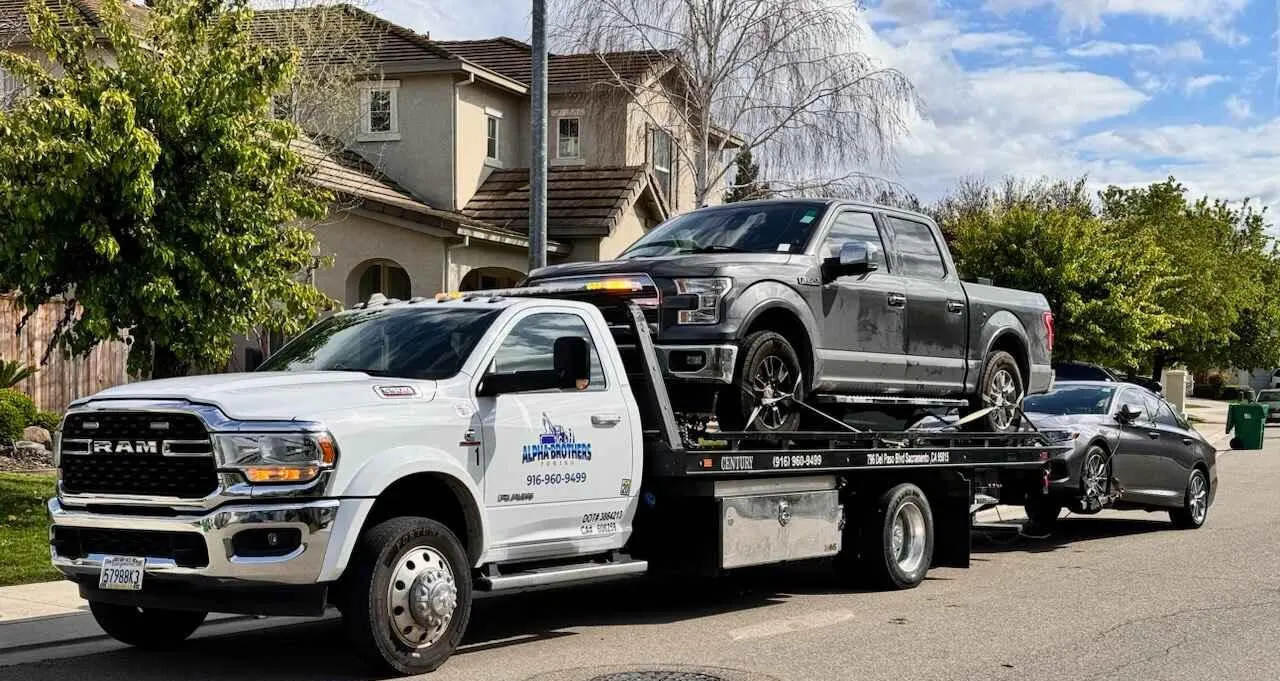
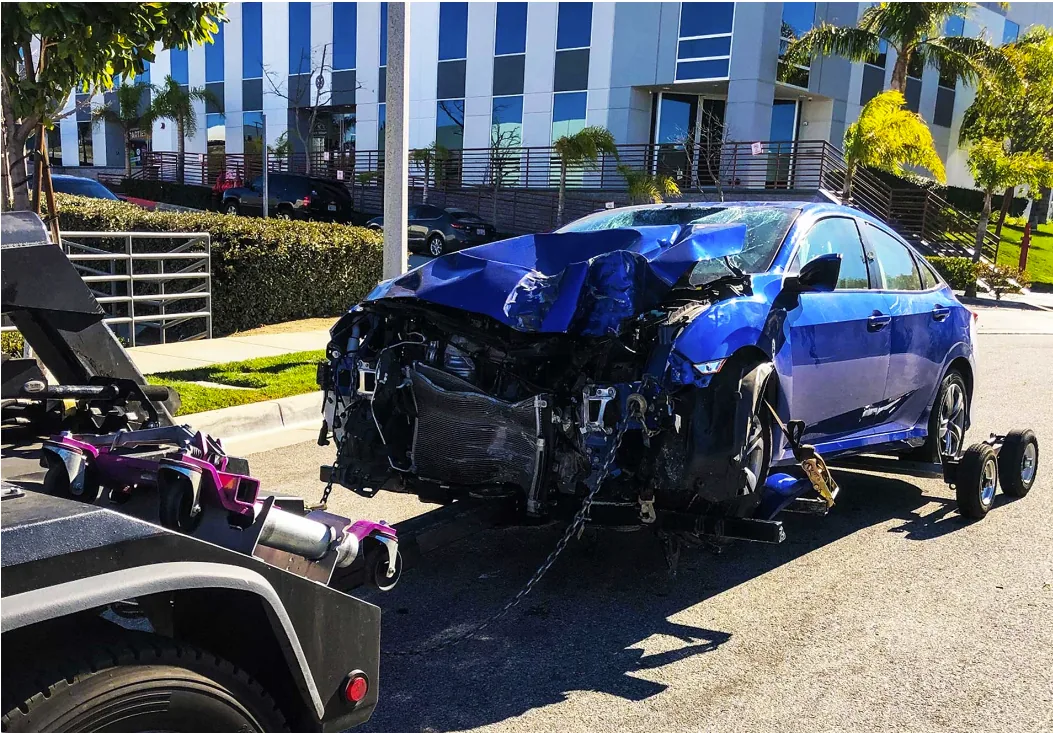
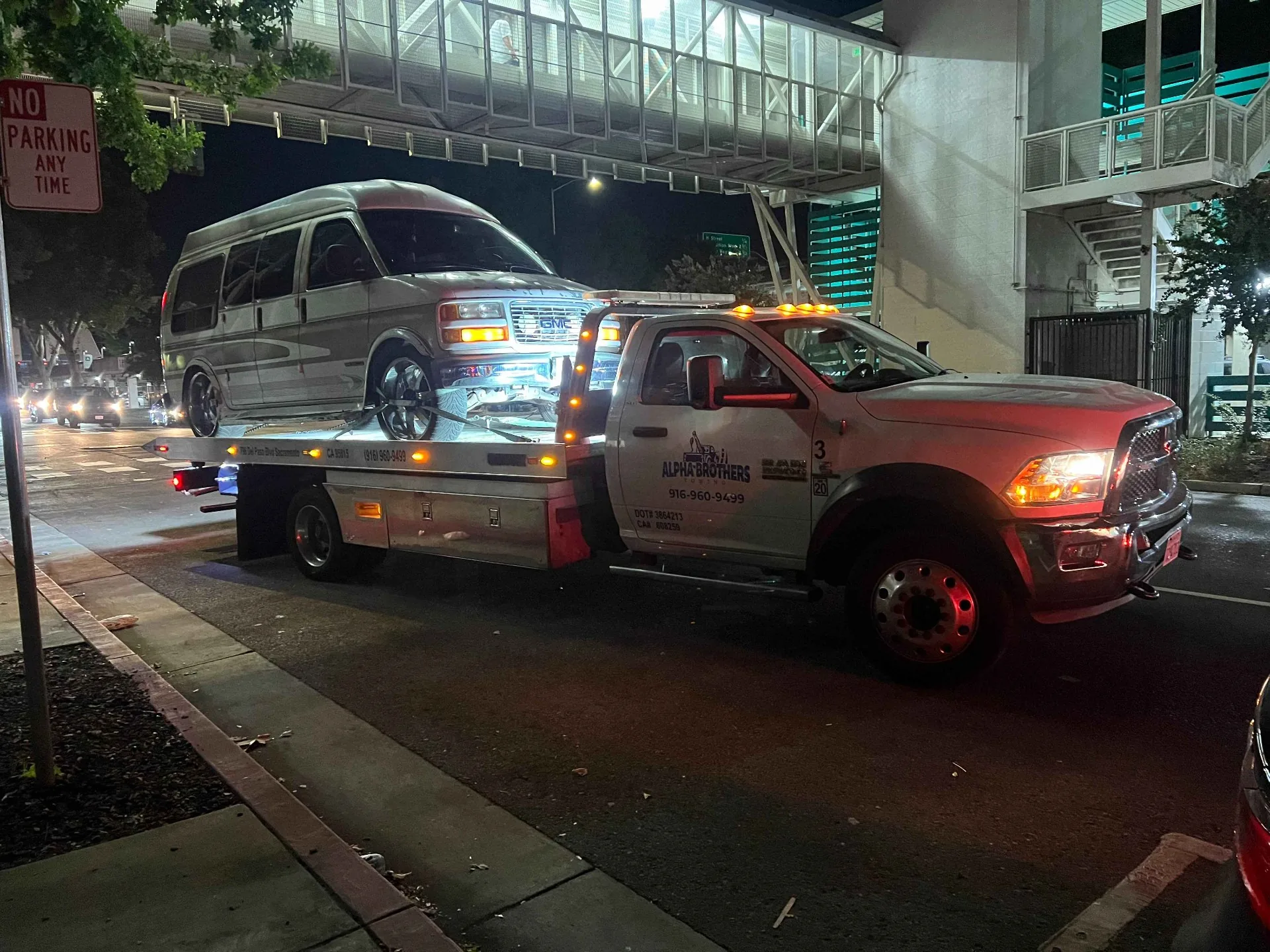
Light-duty towing is what 90% of Sacramento drivers will ever need. We're talking flatbeds and wheel-lift trucks designed for sedans, compact SUVs, and small pickups. Most accidents on I-80, dead batteries in Roseville parking lots, or breakdowns on Folsom Boulevard fall into this category. A flatbed is usually the safest option because all four wheels leave the ground, which protects AWD systems, low bumpers, and luxury vehicles.
Medium-duty: the in-between
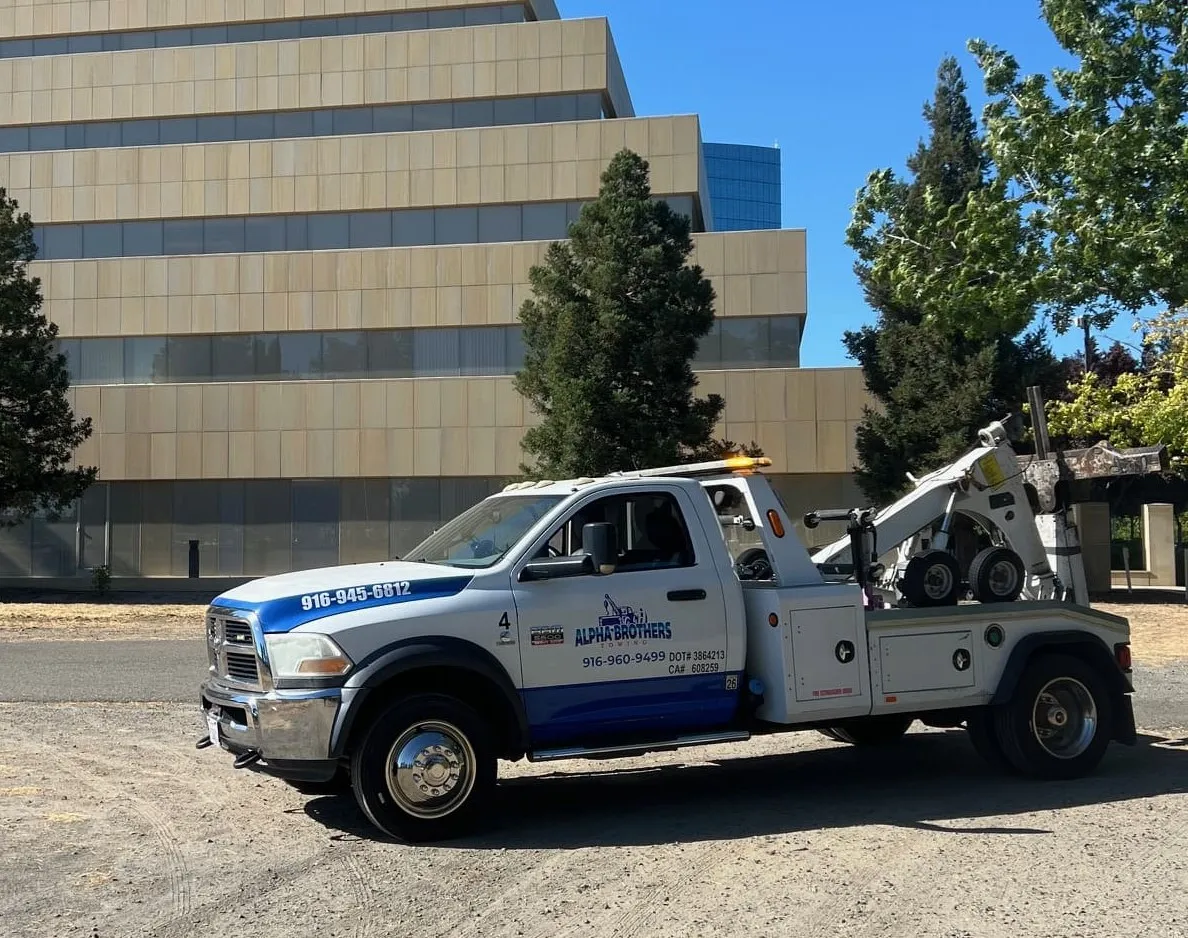
Medium-duty towing covers vehicles too big for a standard flatbed but not quite commercial-class. Think Sprinter vans, U-Haul rentals, large work trucks, fifth-wheel RVs, and small shuttle buses. These tows need beefier wheel-lifts, longer beds, and stronger winches. Calling a light-duty operator for a medium-duty job often ends with a second dispatch and a second invoice.
Heavy-duty: semis, buses, and equipment
Heavy-duty wreckers are a different animal. They use rotators, integrated booms with 25-50 ton winches, and air brake systems to recover semi-trucks, buses, dump trucks, and construction equipment. On freeways like I-5, I-80, and Highway 99, a jackknifed big rig or overturned commercial vehicle requires a heavy-duty operator with traffic control experience and CHP coordination. These calls demand specialized training and certified equipment.
Need help now?
24/7 Towing & Roadside Across Greater Sacramento
Live dispatcher answers immediately — 20-30 min average ETA.
Why the right class matters
Using an undersized tow truck risks transmission damage, frame stress, broken suspension components, and in worst cases, dropped loads on the freeway. It also slows down recovery — if the first truck can't handle the job, you're paying for two trips. Reputable dispatchers will ask specific questions about your vehicle's weight, drivetrain, and condition before sending a truck. If they don't ask, that's a red flag.
How to know what you need
When you call, have three pieces of information ready: the year/make/model of the vehicle, whether it's loaded with cargo or passengers, and the location with any access constraints (low clearance, narrow alley, soft shoulder). For commercial vehicles, know the GVWR — it's printed on the door jamb sticker. The dispatcher will match you to the right truck class on the first try.
Call Alpha Brothers Towing for any class
Alpha Brothers Towing runs a full fleet covering light, medium, and heavy-duty calls across Sacramento, Roseville, Elk Grove, Folsom, Citrus Heights, Rancho Cordova, and the rest of the metro. Whether it's a Honda Civic with a flat or a loaded semi on the Yolo Causeway, dial (916) 960-9499 and we'll send the right truck the first time, 24/7, 365 days a year.
Stranded in Sacramento?
One call connects you to a live dispatcher. 20-30 min average ETA, 24/7, 365 days a year.
Alpha Brothers Towing
Sacramento's locally-owned towing and roadside assistance company. Serving Greater Sacramento since 2013 with a full fleet of light, medium, and heavy-duty trucks.