Stuck in a ditch, mud, or after a crash in Sacramento County? Here’s how professional recovery towing and winch-outs work, when you need them, and smart steps to stay safe until help arrives.
Recovery towing is the work that happens before a standard tow. When a vehicle is off the roadway, buried in mud, down a levee shoulder, wedged on a curb, or damaged after a crash, it first has to be recovered—put back on stable ground and made safe to transport. That can mean careful winching, rigging to rated anchor points, stabilizing a rollover, or clearing debris so traffic can flow again. In Sacramento County, recoveries are common along levee roads by the rivers, at muddy trailheads near Folsom Lake access points, around Prairie City SVRA, and on busy corridors like I‑5, I‑80, Hwy 50, and 99. The goal is always the same: move you and your vehicle out of danger without causing more damage, then get you on your way.
What “recovery towing” really means
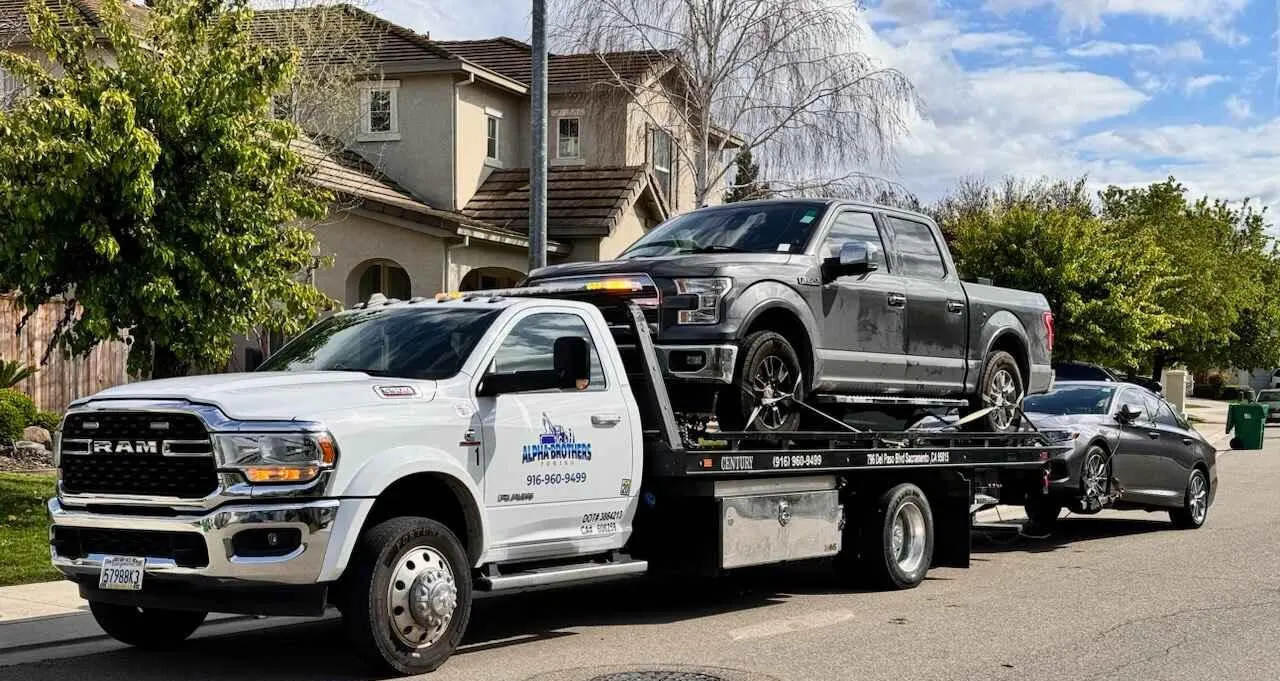
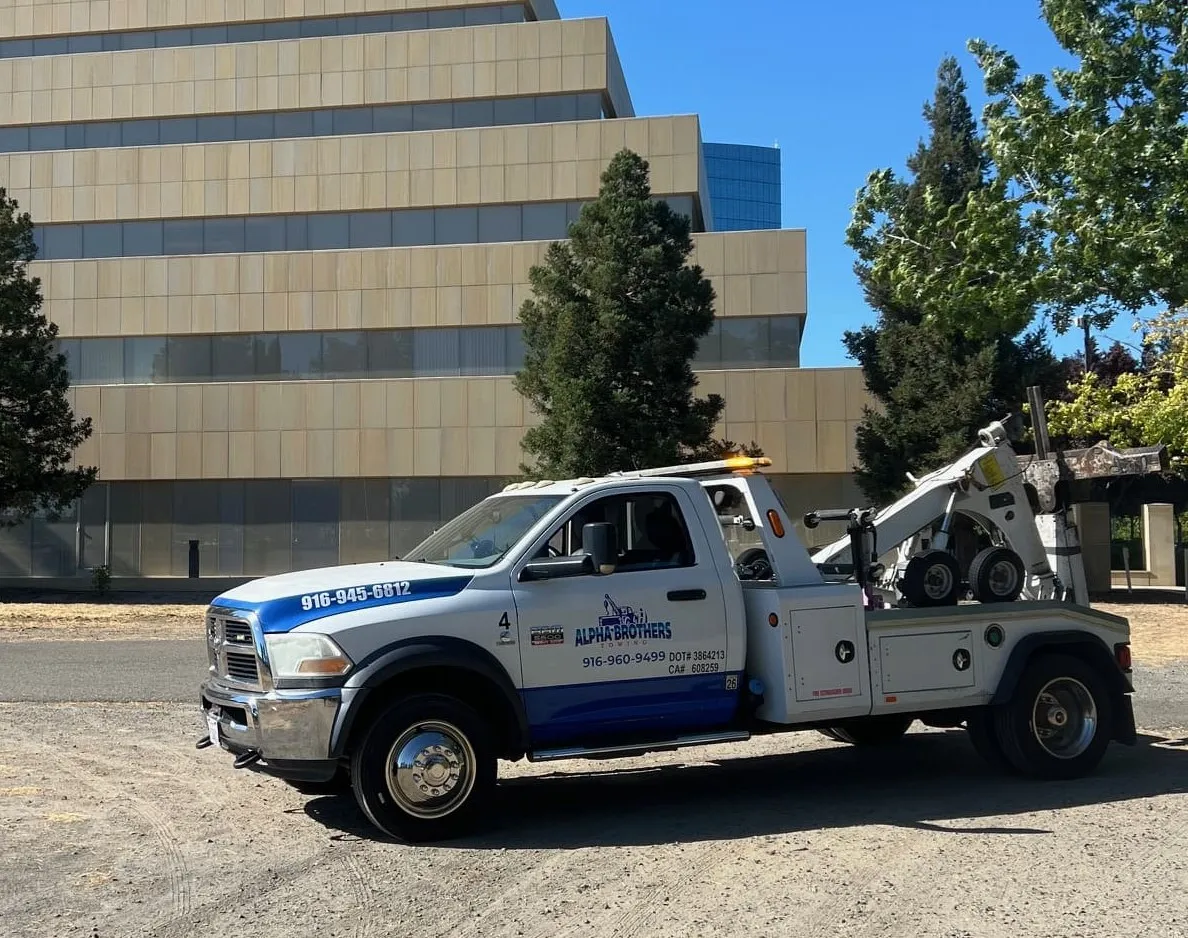
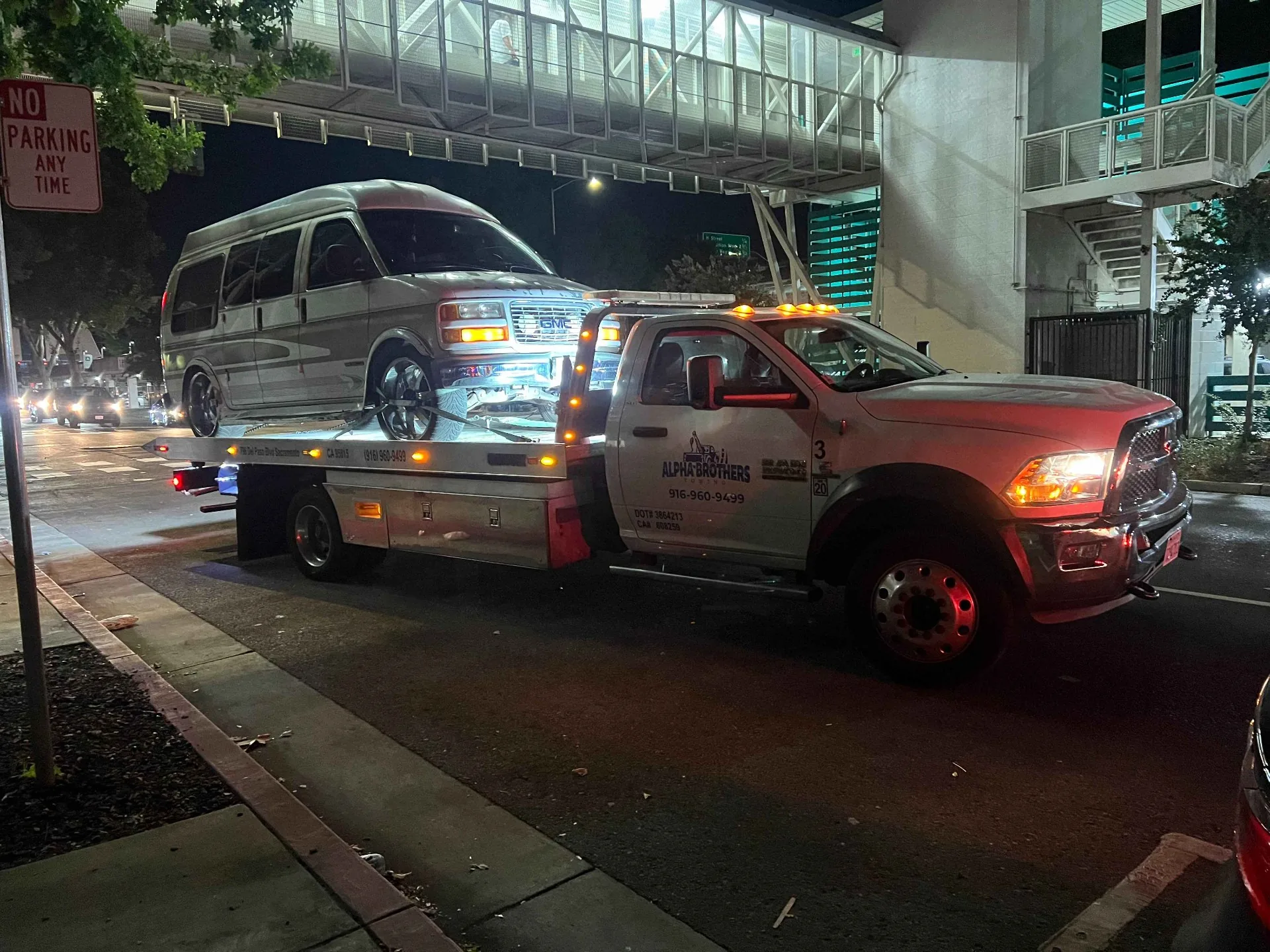
Recovery towing is the process of safely retrieving a disabled or stuck vehicle and preparing it for transport. It’s different from a simple tow from a parking lot. Recoveries involve winches, chains or soft shackles, snatch blocks, and controlled force to overcome gravity, terrain, and damage. The operator chooses rigging angles, anchor points, and equipment based on your vehicle’s weight, drivetrain, and condition. Light‑duty wreckers handle most passenger cars and small SUVs. Flatbeds are used when a vehicle must be carried rather than towed. Heavier equipment steps in for box trucks, RVs, or complex accident scenes. The key is methodical planning and communication so the pull is smooth, predictable, and safe for everyone nearby.
Off‑road and ditch recoveries: how they work
Off‑road recoveries around Rancho Cordova, Elk Grove’s rural lanes, or the Delta levees start with a risk check. The operator assesses soil stability, slope, nearby traffic, and hazards like irrigation ditches or soft shoulders. Then they set up a winch line to a rated recovery point (factory tow hook or a proper axle/control arm location if needed), protect body panels with edge guards, and use snatch blocks to change angles and reduce line load. Ditch pulls are about patience. A small reposition can prevent a rollover. On muddy shoulders near Garden Highway or River Road, boards or cribbing may be placed to keep tires from digging deeper. Once the vehicle is back on pavement, it’s inspected for leaks, suspension damage, and drivability before deciding to tow or release.
Winch‑outs explained: mud, sand, shoulder, and ramps
A winch‑out is a controlled pull from a stuck spot back to safe ground—no lift, just extraction. Around Sacramento, that often means mud after winter rains, sand near the American River access, or slick boat ramps at Discovery Park or Garcia Bend. A 4x4 wrecker with a strong winch, proper rigging, and traction aids does the job without yanking or shock‑loading your vehicle. Operators may use soft shackles, tree savers, and line dampers to protect equipment and reduce risk. Traction boards or gravel can help once the tires are free. After the pull, tire pressures and underbody are checked for damage. If the vehicle can’t safely drive, it’s moved onto a flatbed for transport.
Accident recovery and scene safety
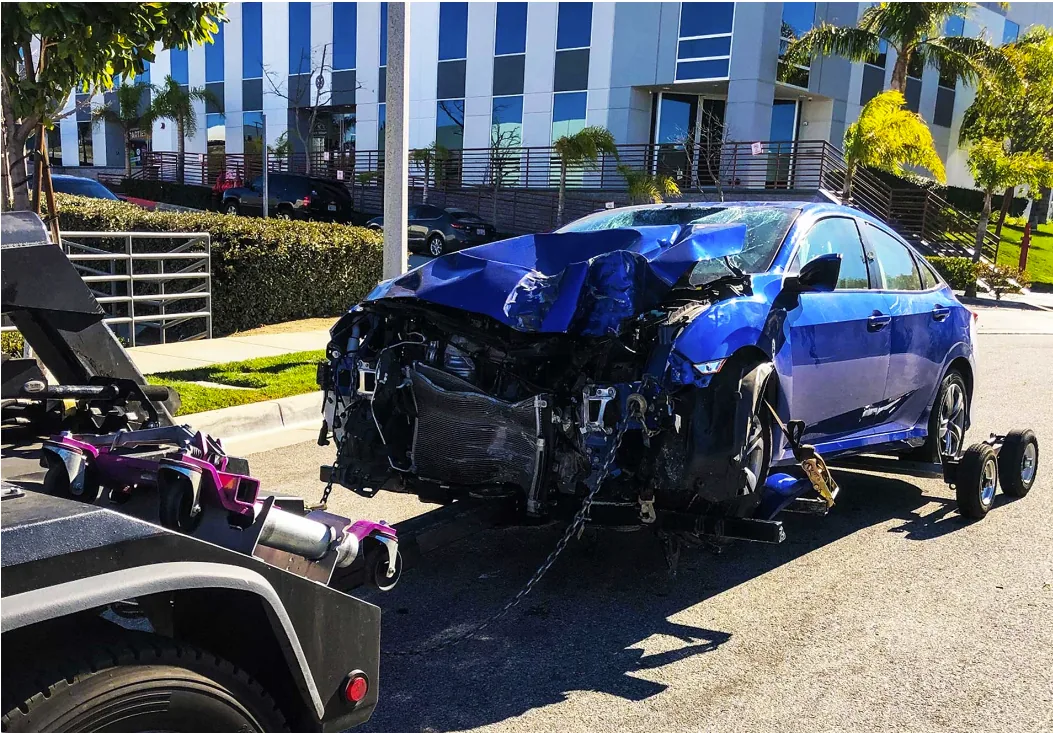
Crash recovery adds traffic control and coordination. In the Sacramento area, that can involve CHP, Caltrans, and local law enforcement. The scene is made safe first—cones, flares where appropriate, and lane closures if needed. Then the vehicle is stabilized, debris is cleared, and fluids are contained to protect the roadway and waterways. Rollover? The operator may upright the vehicle using multiple lines and controlled tension to prevent secondary damage. With EVs and hybrids, 12‑volt systems are disabled and battery areas are kept clear of rigging pressure points. Once recovered, the vehicle goes to a body shop, storage yard, or your requested destination per agency release and your instructions.
Need help now?
24/7 Towing & Roadside Across Greater Sacramento
Live dispatcher answers immediately — 20-30 min average ETA.
What to do while you wait: quick safety tips
- If you’re on a roadway, put on hazards, set the parking brake, and stay inside with seatbelt fastened unless it’s unsafe. - If you must exit, move well off the roadway and behind a barrier. - Avoid spinning tires in mud; it digs deeper and complicates the pull. - Note landmarks: nearest exit number, mile marker, cross street, or levee gate sign. - At night, keep lights on so you’re visible; avoid standing in the dark shoulder. - In rural areas (Wilton, Herald), watch for irrigation ditches and unstable shoulders. - Call 911 after a crash, then your tow professional. - Keep kids and pets buckled and clear of recovery equipment.
What to tell the dispatcher for a faster rescue
Clear details help send the right truck and gear the first time. Be ready with: - Exact location: highway and direction, nearest exit, or GPS pin. On I‑80, I‑5, 50, or 99, mile markers help. Along Garden Highway or River Road, note levee access points. - Vehicle: year, make, model, 2WD/AWD/4x4, ground clearance, and modifications. - Situation: off‑road distance, how deep in mud/sand, resting on frame or suspension, and any obstacles (trees, guardrails, ditches). - Condition: drivable or not, fluid leaks, wheel damage, airbag deployment. - Photos: if asked, text pictures to show terrain and attachment points. This information lets the operator pre‑plan rigging and choose flatbed vs. wrecker vs. heavier unit.
Costs and coverage: what affects recovery pricing
Recovery pricing depends on time, terrain, and complexity. Factors include access (pavement vs. off‑road), distance from the roadway, slope, vehicle size, required equipment (snatch blocks, extra line, rotator for heavy units), traffic control needs, and after‑hours timing. A straightforward winch‑out near the shoulder typically costs less than a multi‑line pull from a levee embankment or a post‑crash recovery. Ask for an upfront estimate. Many insurance policies reimburse towing and recovery after a loss, and some roadside plans include winch‑outs. Keep your claim number, photos, and the incident location for documentation. The goal is transparency so there are no surprises when the job is complete.
Sacramento hotspots and seasonal hazards to know
- Winter rains turn shoulders along the American and Sacramento Rivers into soup. Avoid parking on soft soil near boat launches and trailheads. - Tule fog south of Elk Grove reduces visibility—slow down and use low beams. - Spring and fall bring slick leaves and oil on first rains in Arden‑Arcade and Citrus Heights neighborhoods. - Windstorms drop branches on Garden Highway and rural lanes in Galt and Rio Linda; watch for debris. - Prairie City SVRA mud pits and rutted trails can swallow street‑tired SUVs; know your limits. - Steep driveways in Folsom and Rocklin can high‑center low cars—approach at an angle. Knowing these patterns helps you avoid trouble, but if it happens, a professional recovery gets you out safely.
Need help now? Call (916) 960‑9499
Stranded off‑road, in a ditch, or after a crash anywhere in Greater Sacramento—Roseville, Folsom, Elk Grove, Citrus Heights, Rancho Cordova, Carmichael, Rocklin, West Sacramento, or Arden‑Arcade—help is close. Call Alpha Brothers Towing at (916) 960‑9499 for 24/7 recovery towing and winch‑outs. Since 2013, our local team has delivered fast ETAs, careful rigging, and straightforward pricing, backed by 4.8‑star service from 500+ reviews. Tell us where you are and what you’re driving, and we’ll bring the right truck and equipment to get you back on solid ground.
Stranded in Sacramento?
One call connects you to a live dispatcher. 20-30 min average ETA, 24/7, 365 days a year.
Alpha Brothers Towing
Sacramento's locally-owned towing and roadside assistance company. Serving Greater Sacramento since 2013 with a full fleet of light, medium, and heavy-duty trucks.